Source Square Printed Jewelry Box with Sponge Pad for Gifts, Storage, and Collection
Find 30 Square Printed Jewelry Box with Sponge Pad options from China. Compare customization, materials like velvet and paper, and eco-friendly features for luxury gift packaging and retail storage needs.
Key considerations
Products List


Printed Paper Folding Product Packaging Gift Jewelry Box with Transparent Window
$0.30 - $0.50
MOQ: 2000 Pieces


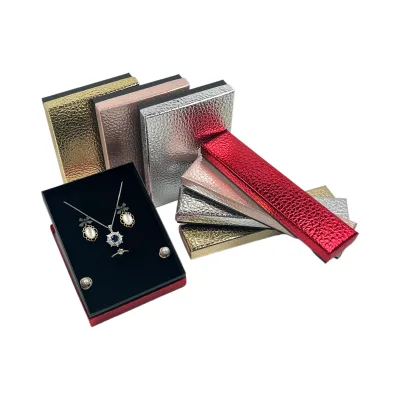


Custom Logo Printed Jewelry Boxes Cardboard Bracelet Necklace Jewelry Box
$0.25 - $500.00
MOQ: 2 Pieces
Comprehensive Sourcing Guide
Square Printed Jewelry Box with Sponge Pad Sourcing Guide
Sourcing square printed jewelry boxes with sponge pads requires a nuanced understanding of material compatibility, structural integrity, and aesthetic customization. These packaging solutions are designed to protect delicate items such as rings, earrings, and necklaces while providing a premium unboxing experience. The square format offers efficient stacking and storage, while the internal sponge pad ensures that products remain secure during transit and display. Buyers must navigate a market where customization is prevalent, with options ranging from standard sizes to fully bespoke dimensions, ensuring that the final packaging aligns with brand identity and product specifications.
The procurement process involves balancing cost-efficiency with quality assurance, particularly when dealing with printed surfaces and soft internal linings. Suppliers often offer various material combinations, including paperboard, velvet, and glossy paper, each affecting the final durability and perceived value of the package. Understanding the specific requirements for logo printing, surface finishing, and structural design is crucial for maintaining consistency across large orders. This guide provides a structured approach to evaluating suppliers, verifying technical specifications, and managing commercial terms to ensure a successful sourcing outcome.
Product Scope and Observed Listing Signals
The market for square printed jewelry boxes encompasses a wide range of configurations, from simple cardboard structures to luxury velvet-lined containers. Observed listings indicate that materials vary significantly, with paperboard and glossy paper being common choices for cost-effective solutions, while velvet is preferred for high-end jewelry sets. The internal sponge pad is a critical component, providing cushioning and preventing movement, which is essential for protecting fragile items. Buyers should note that the presence of a sponge pad does not automatically imply luxury; it is a functional element that can be integrated into various price points depending on the density and quality of the foam used.
Customization is a dominant feature in this category, with suppliers offering extensive options for size, shape, and printing. The square shape is often combined with rectangular variants, and buyers can request custom dimensions to fit specific jewelry pieces. Printed surfaces allow for brand integration through logos and designs, with techniques such as offset printing and spot UV finishing enhancing visual appeal. The observed data suggests that suppliers are flexible regarding order quantities, with some accepting custom orders and others requiring minimums, which impacts the overall sourcing strategy and budget allocation.
Technical Specifications to Verify
Verifying the structural integrity and material composition of the jewelry box is the first step in technical evaluation. Buyers should confirm the type of paper or board used, as this affects the box's rigidity and durability. For instance, art paper and glossy paper offer different aesthetic finishes, while velvet provides a soft, luxurious touch. The internal sponge pad must be securely attached and appropriately dense to hold jewelry in place without damaging it. It is essential to request samples to assess the tactile quality of the materials and the precision of the cut and fold lines, ensuring that the box maintains its square shape under stress.
Printing quality and finishing techniques are critical for brand representation and product protection. Offset printing is commonly used for detailed graphics, while spot UV can add a glossy highlight to specific elements, enhancing visual contrast. Buyers should verify the color accuracy and registration of the print, as misalignment can detract from the premium feel of the packaging. Additionally, the structural design, such as lid-base configurations, should be evaluated for ease of use and secure closure. The presence of a covered shape or pull-out mechanism may also influence the user experience, so these features should be specified and tested during the sampling phase.
Compliance and Safety Documentation
While jewelry boxes are generally non-hazardous, compliance with environmental and safety standards is increasingly important for global markets. Buyers should inquire about the eco-friendliness of the materials used, as many suppliers now offer sustainable options such as recycled paperboard or biodegradable sponge pads. Certifications related to forest management, such as FSC, may be relevant if the paper source is a concern. Additionally, the inks and adhesives used in printing and assembly should be non-toxic and safe for contact with jewelry, ensuring that no harmful residues transfer to the products.
Documentation requirements vary by destination market, so buyers must verify specific regulatory needs before placing orders. For example, some regions may require declarations of conformity for packaging materials, particularly if they are intended for food or cosmetic adjacent products. It is advisable to request material safety data sheets (MSDS) for any chemical components, including inks and glues, to ensure compliance with local regulations. Suppliers should be transparent about their sourcing practices and ability to provide necessary documentation, which can facilitate smoother customs clearance and market entry.
Cost Drivers and Commercial Terms
The cost of square printed jewelry boxes is influenced by several factors, including material selection, printing complexity, and order volume. Luxury materials such as velvet and specialized sponge pads increase the unit price, while standard paperboard options are more economical. Printing techniques like spot UV and embossing add to the cost due to additional processing steps. Buyers should analyze the price structure in relation to the desired quality level, understanding that higher customization and premium materials will result in higher per-unit costs. Minimum order quantities (MOQs) also play a significant role, with larger orders typically benefiting from economies of scale.
Commercial terms and payment conditions are critical for managing cash flow and risk. Suppliers may offer various price terms, such as EXW, FOB, CIF, or DDU, each affecting the total landed cost and logistics responsibility. Buyers should clarify who is responsible for shipping, insurance, and customs duties based on the chosen term. Sample times and production lead times are also important considerations, with typical sample times ranging from one to three days and production times from seven to twelve days. Understanding these timelines helps in planning inventory and meeting launch deadlines, while also allowing for buffer periods to address any quality issues.
Supplier Qualification and Quality Control
Evaluating supplier qualifications is essential to ensure consistent quality and reliable delivery. Buyers should assess the supplier's experience in producing jewelry packaging, looking for evidence of past projects and client testimonials. The ability to handle custom orders and provide design support is a valuable indicator of flexibility and expertise. Quality control processes should be transparent, with suppliers outlining their inspection procedures for materials, printing, and assembly. Requesting detailed quality assurance protocols helps in identifying potential risks and ensuring that the final product meets specified standards.
Sampling is a crucial step in the qualification process, allowing buyers to verify physical attributes and print quality before committing to large orders. Buyers should request multiple samples to test different aspects, such as the durability of the sponge pad and the adhesion of printed elements. It is also important to establish clear communication channels with the supplier to address any concerns promptly. Building a relationship based on transparency and mutual understanding can lead to better collaboration and more favorable terms in future orders. Suppliers who are responsive and proactive in addressing issues are often more reliable partners for long-term procurement.
Long-Term Procurement Checks
Establishing long-term procurement strategies involves regular performance reviews and continuous improvement initiatives. Buyers should monitor key performance indicators such as on-time delivery, defect rates, and responsiveness to changes. Regular audits of supplier facilities and processes can help identify areas for improvement and ensure ongoing compliance with quality standards. Feedback loops between the buyer and supplier are essential for refining product specifications and addressing emerging market trends. By maintaining open communication and setting clear expectations, buyers can foster a partnership that supports consistent quality and innovation.
Adapting to market changes and sustainability trends is crucial for maintaining competitiveness. Buyers should stay informed about new materials and technologies that can enhance the value proposition of their jewelry packaging. This may include exploring more eco-friendly options or innovative printing techniques that reduce environmental impact. Long-term contracts with flexible terms can provide stability while allowing for adjustments in volume and design. By prioritizing strategic partnerships and continuous evaluation, buyers can ensure that their sourcing efforts align with broader business goals and customer expectations.
FAQs
Can I customize the size and shape of the square jewelry box?
Yes, customization for size and shape is available for these boxes. The product specifications allow for medium-sized options or fully customized dimensions to meet specific packaging needs for jewelry sets.
What materials are used to make these luxury jewelry boxes?
These boxes are constructed from paper, cardboard, or velvet materials. Some variants feature art paper or glossy paper finishes, ensuring a premium look suitable for luxury gift packaging and storage.
How long does it take to produce a custom order?
Production typically requires 7 to 12 days for standard orders. Sample preparation is faster, taking only 1 to 3 days, allowing for quick verification before full-scale manufacturing begins.
What is the minimum order quantity for these boxes?
The minimum order quantity varies by supplier but can be as low as 2 units or as high as 3000 units. Specific listings often set the MOQ at 500 pieces for custom printing services.
Are these boxes suitable for eco-friendly packaging requirements?
Yes, many of these boxes are designed with eco-friendly features. They utilize paper and cardboard materials that align with sustainable packaging standards while maintaining a luxury aesthetic for jewelry and gifts.
Which printing methods are available for logo customization?
Offset printing and spot UV finishing are available for logo customization. These processes allow for high-quality branding on the box surface, ensuring your logo stands out on the final product.
Where are these jewelry boxes manufactured?
These boxes are manufactured in China, with specific origins in Fuzhou and Qingdao. This location allows for efficient logistics and competitive pricing for international buyers seeking custom packaging solutions.